
7 Best Beaches in Spain: Top Coastal Destinations for Sun and Scenery
Spain is known for its beautiful coastline, offering miles of sandy shores and clear blue waters. Beach lovers visit from all over the world to relax, swim, and soak up the sun on Spain’s shores.
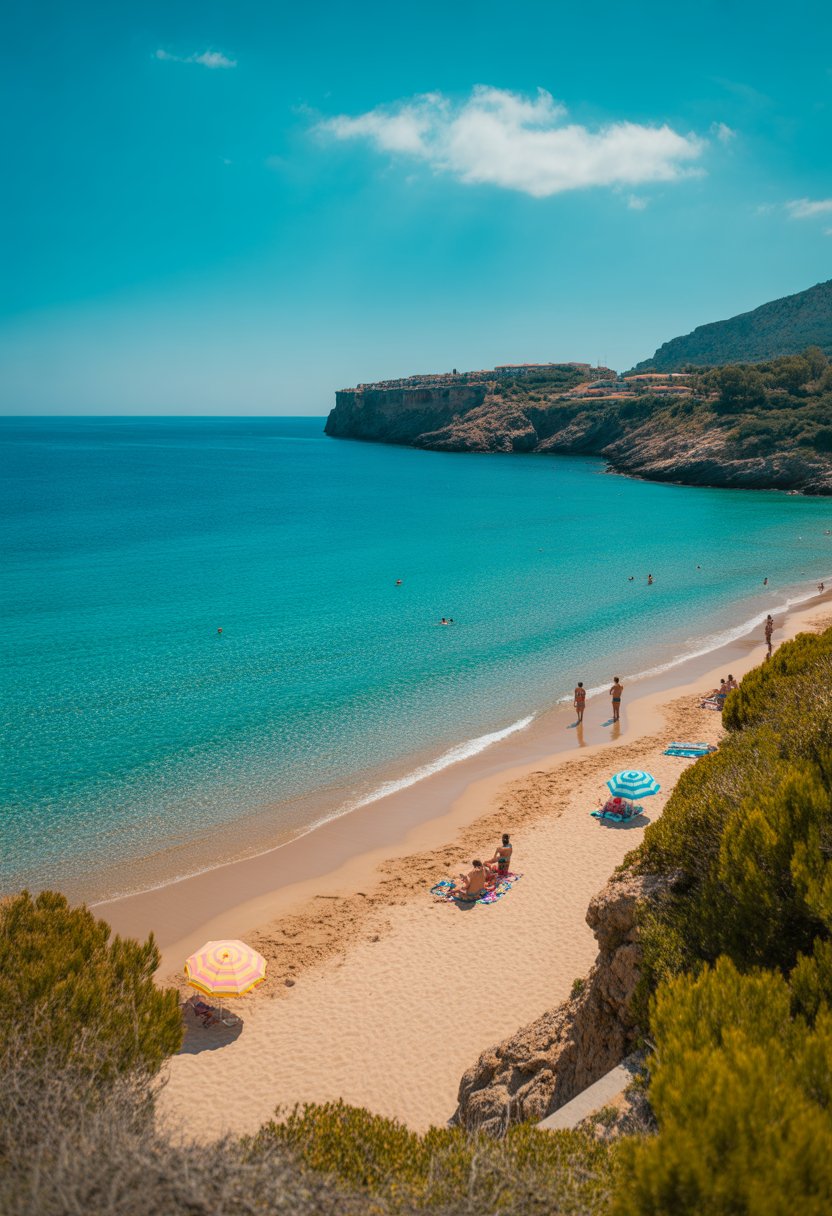
This guide highlights the best beaches in Spain, helping travelers choose where to enjoy the sea and sand. Readers can expect simple descriptions and tips to find the perfect spot for their next trip.
1) Playa de Ses Illetes, Formentera
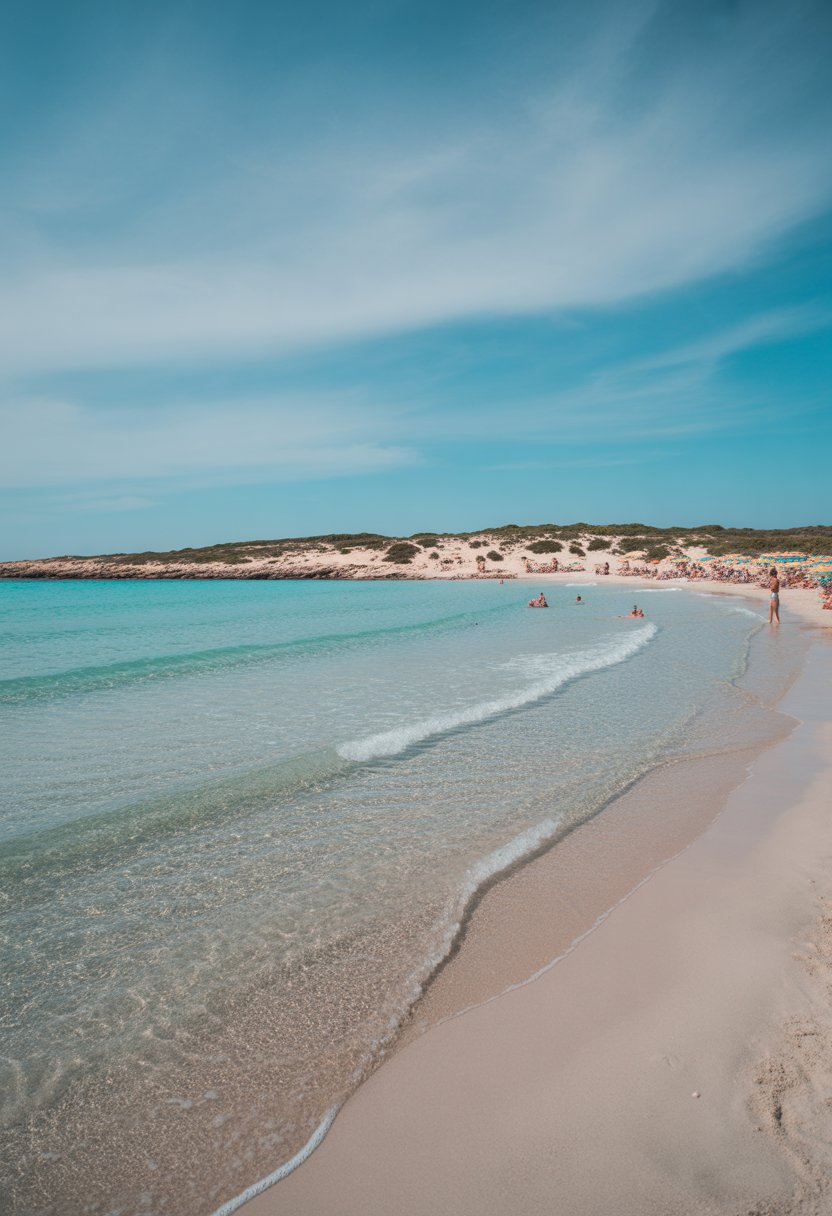
Playa de Ses Illetes is found on the northern tip of Formentera in the Ses Salines Natural Park. The beach has soft white sand and clear, shallow water that makes it inviting for all ages.
It is possible to walk along the beach for over half a kilometer, with sections separated by small rocks. Many visitors enjoy swimming and relaxing here because of the calm sea and beautiful surroundings.
Playa de Ses Illetes is often named one of the best beaches in Formentera.
2) La Concha, San Sebastián
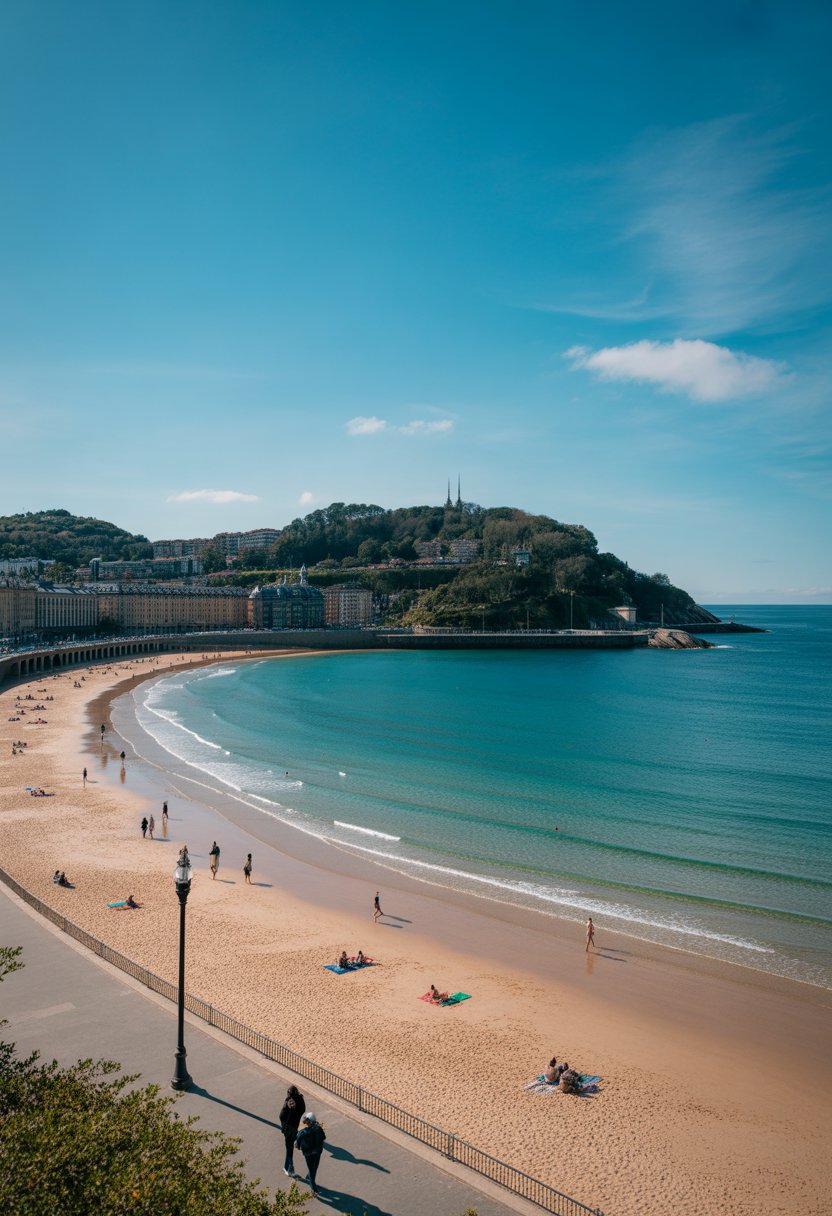
La Concha Beach is in the heart of San Sebastián. Its wide curve of golden sand is well known for being clean and welcoming.
The calm bay is protected by nearby cliffs, making it a safe spot for swimming. The beach is also famous for its elegant promenade and views of Santa Clara Island.
La Concha is often listed as one of Europe’s best city beaches. The beach’s location makes it easy for visitors to reach by foot from the city center.
3) Caló des Moro, Mallorca
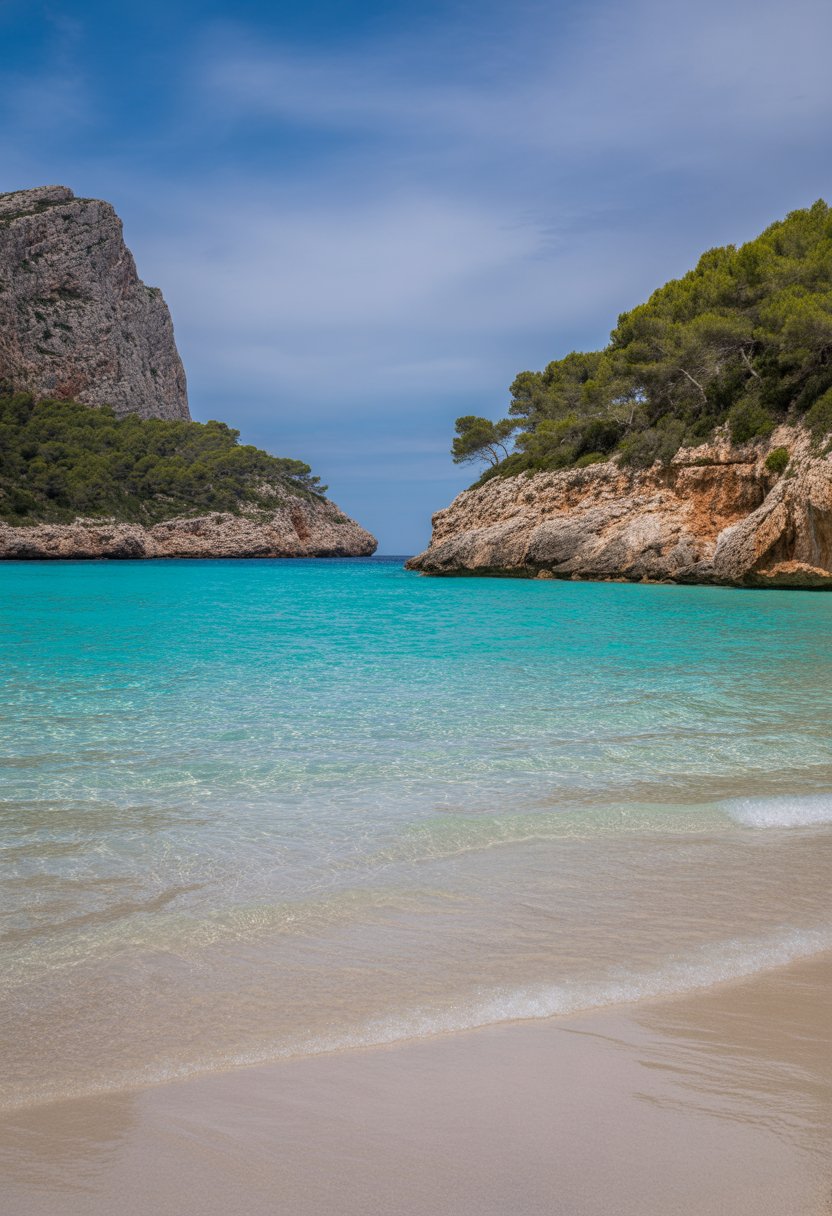
Caló des Moro is a small cove on the southeastern coast of Mallorca. Tall cliffs surround the beach, making it feel hidden and peaceful.
The sand is soft and white, while the water stands out for its bright turquoise color. Many people visit Caló des Moro for swimming because the water is usually calm and very clear.
The cove is not large, which means it can get crowded at times. Its natural setting and stunning scenery make it one of Mallorca’s most famous beaches.
4) Playa de la Barceloneta, Barcelona
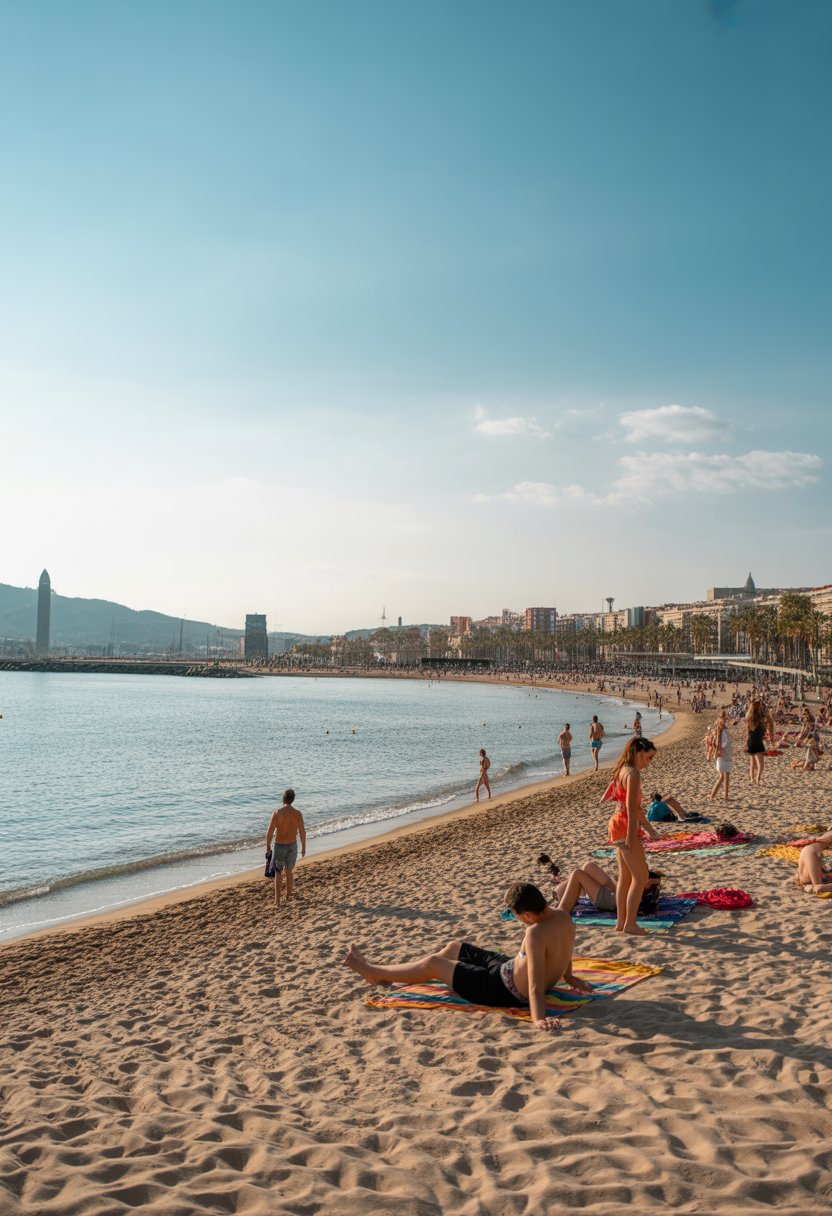
Playa de la Barceloneta is one of the most famous beaches in Barcelona. It is located in the historic La Barceloneta neighborhood, which was once a fishing village.
The beach stretches for about 1.1 kilometers and is covered in fine golden sand. Many visitors like to walk along the lively promenade or enjoy fresh seafood at nearby restaurants.
Playa de la Barceloneta is very easy to reach from the city center, making it popular with both locals and tourists. The area is always busy, especially in the summer months. Learn more about Barceloneta Beach.
5) Cala Salada, Ibiza
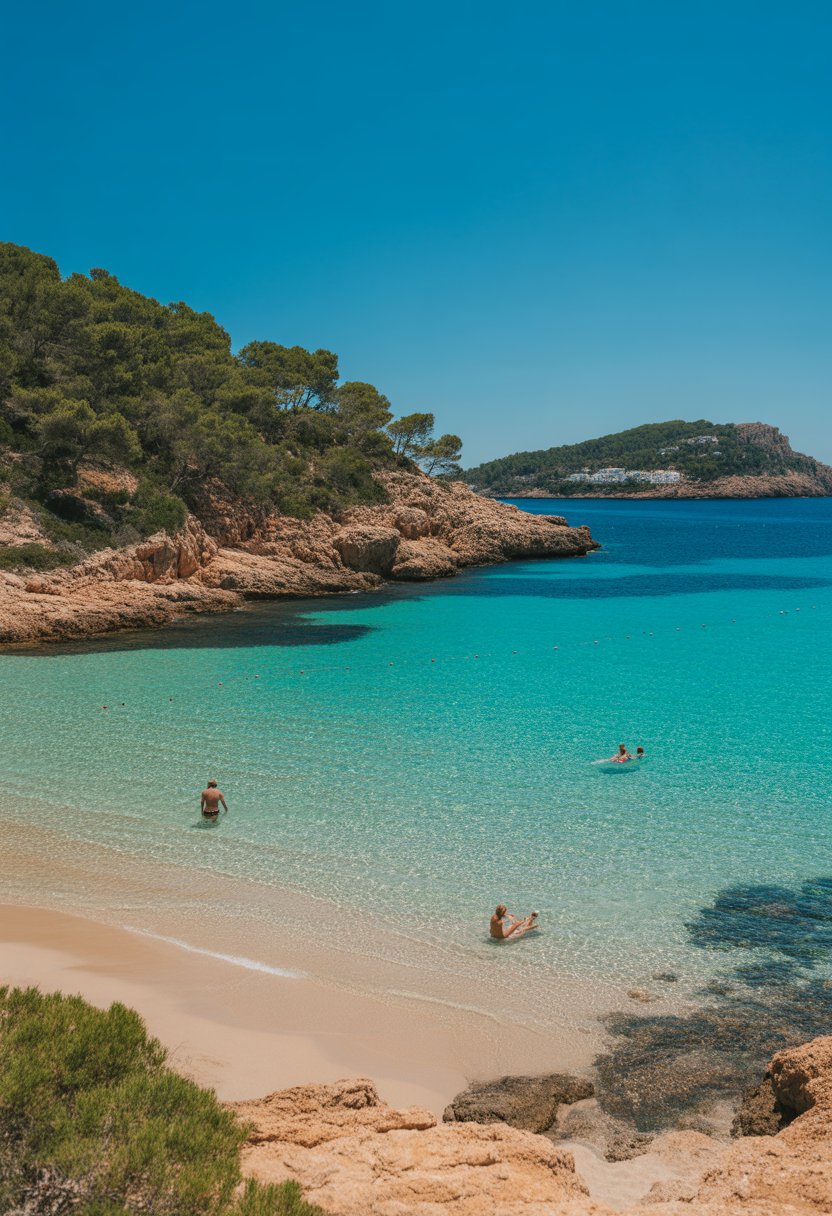
Cala Salada is a small beach surrounded by pine-covered hills on the west coast of Ibiza. Its clear, shallow water is perfect for swimming and snorkeling.
The beach has a natural feel, with soft sand and rocky areas. It is popular among both locals and visitors.
Cala Salada is known for its scenic views and peaceful setting. Learn more about this spot on the Ibiza Spotlight page for Cala Salada.
6) Playa de Torimbia, Asturias
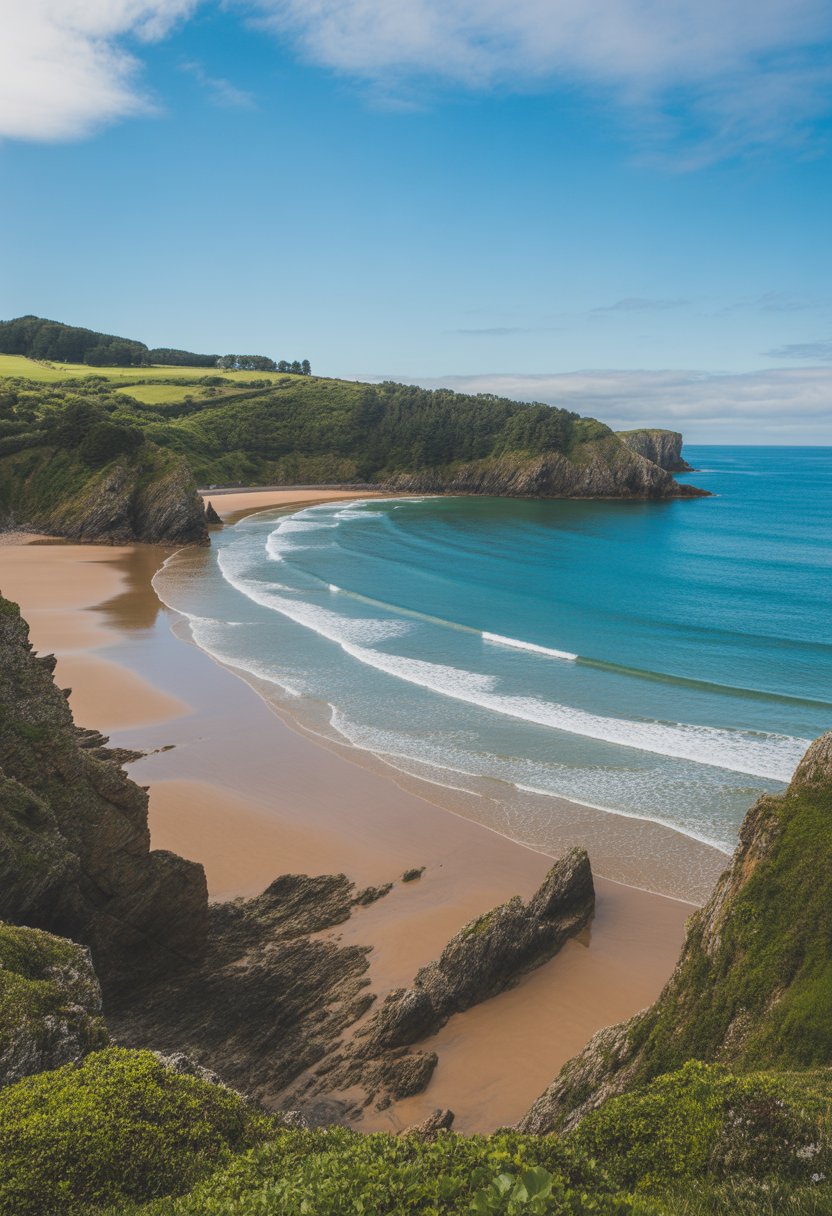
Playa de Torimbia is located on Spain’s northern coast in Asturias. This beach is known for its crescent shape and dramatic cliffs. The area offers a natural, peaceful setting with white sand and clear blue water.
Visitors park at a viewpoint above the beach and walk down, as it is a car-free zone. Summer months, from June to September, bring pleasant weather with air temperatures around 70-75°F and water temperatures from 66-70°F. More details can be found about Playa de Torimbia.
7) Cala Pregonda, Menorca
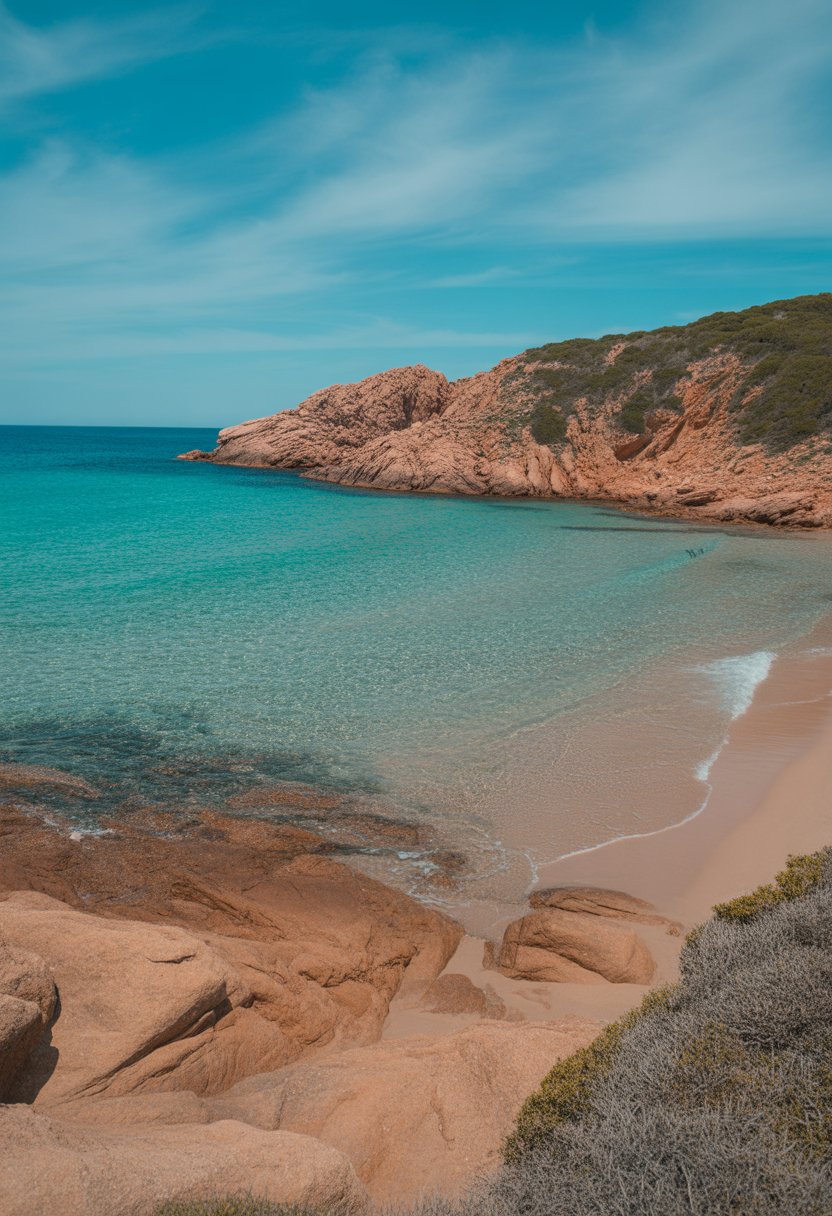
Cala Pregonda is located on the northern coast of Menorca. Its unique red-gold sand and clear turquoise waters make it easy to spot. The beach is quiet and less crowded than some other spots on the island.
Large rocks and little coves surround the bay. Visitors often enjoy swimming and snorkeling in the calm sea. Cala Pregonda is considered one of Menorca’s most scenic beaches. The natural setting is peaceful, with no major buildings nearby.
Beach Safety And Local Guidelines
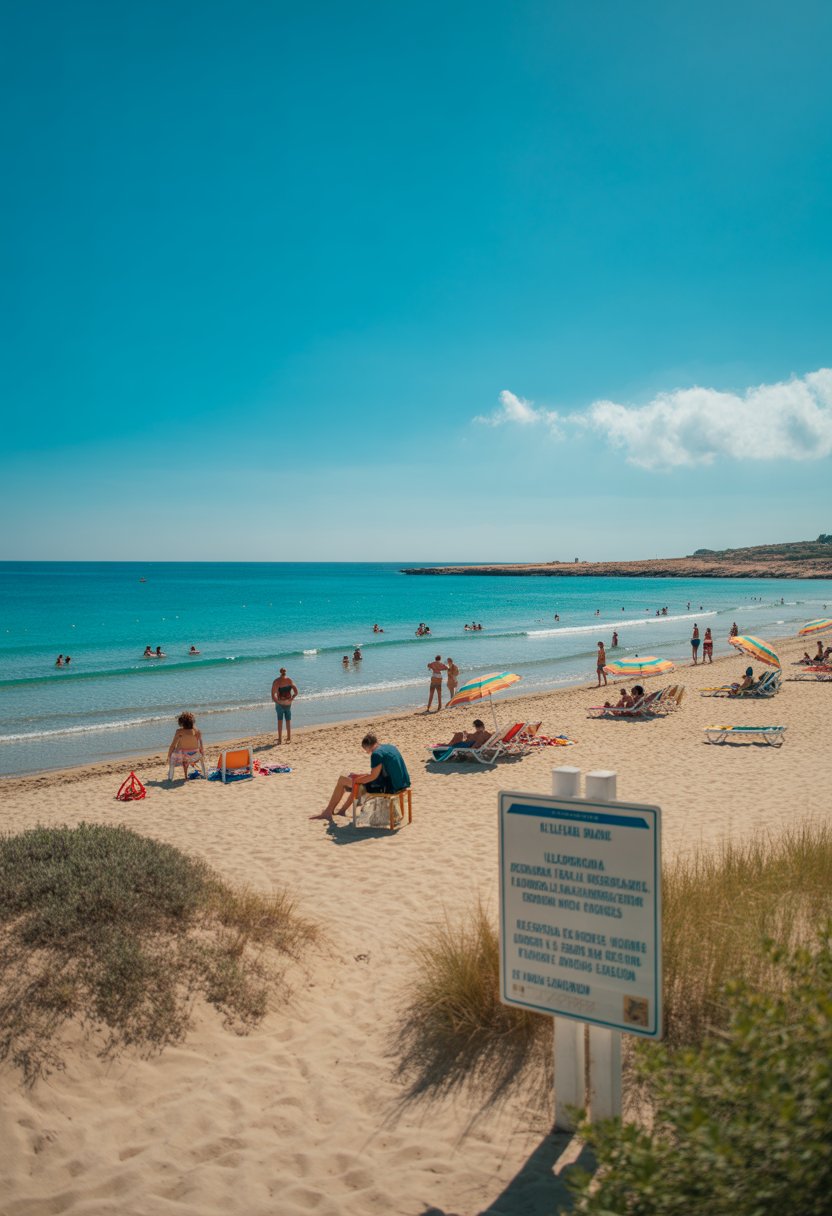
Visitors to Spain’s stunning beaches can expect clear water, warm sand, and good facilities. Understanding safety practices and local rules makes any beach day smoother and helps avoid accidents or fines.
Essential Safety Tips For Swimmers
Rip currents and underwater rocks can be hazards in some popular Spanish beaches. It is important for swimmers to always look for posted safety signs and never swim alone, even in calm water.
Children should only swim in supervised zones and wear proper flotation devices when needed. Beach shoes are helpful for rocky or slippery areas.
Sunscreen should be reapplied every two hours, and shade is strongly recommended during midday, when the sun is most intense.
Bringing plenty of water is necessary, and glass bottles are not allowed on many Spanish beaches. Sea animals like jellyfish can sometimes appear, so if there is a warning, swimming should be avoided.
Understanding Spanish Beach Flag Systems
Spanish beaches use a clear flag system to tell people about swimming conditions. A list of flag colors and meanings is provided below:
| Flag Color | Meaning |
|---|---|
| Green | Safe to swim |
| Yellow | Swim with caution |
| Red | Swimming forbidden |
| Blue | Environmentally high standards |
Beachgoers should always follow the flag warnings posted each day. Lifeguards are present at many busy beaches and will use the flag system to guide swimmers. Ignoring red flags can result in fines or rescue operations.
Some regions may add extra signs or local rules near protected wildlife areas. It’s important to read any posted information for a safe and respectful visit to Spanish beaches.
Best Times To Visit Spain’s Beaches
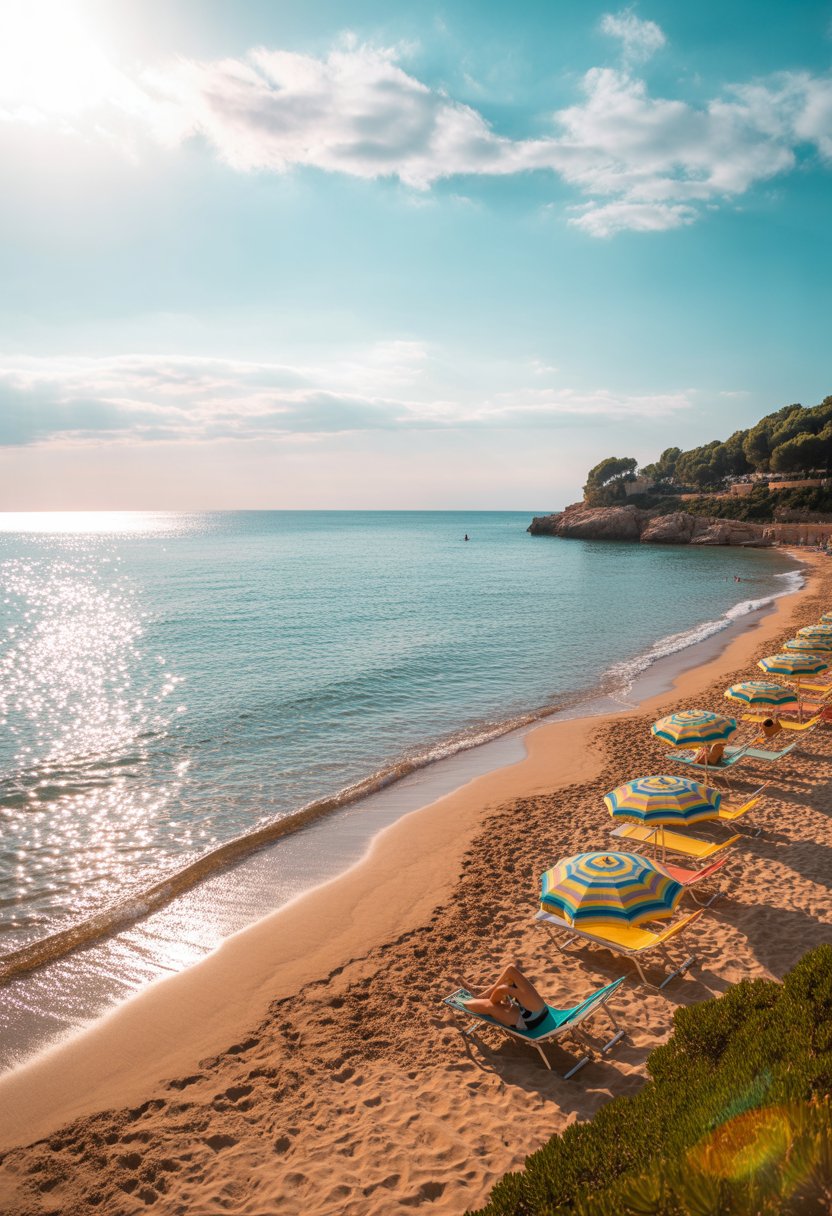
Spain’s beaches are famous for their warm weather and lively atmosphere. The best time to visit will depend on climate, crowds, and local events taking place during the year.
High And Low Season Weather
The peak beach season in Spain runs from June to September. During these months, most coastal areas have sunny skies and warm temperatures. Daytime highs often reach 28°C to 32°C (82°F to 90°F), and the Mediterranean Sea is warm enough for swimming. This is when the beaches are busiest and accommodations may cost more.
The shoulder seasons of May and September provide pleasant weather but fewer crowds. Travelers can still expect sunny days and water warm enough for a swim. October brings slightly cooler weather, while winter months tend to be too cold for swimming, especially in the north.
Those who dislike crowds will find fewer people in spring and fall. On the other hand, the summer period is best for outdoor events, water sports, and nightlife. For more details, see the best time to visit Spain’s beaches.
Festivals And Local Events
Many popular beach towns in Spain host festivals during spring and summer. Semana Santa (Holy Week) usually happens in March or April and brings traditional processions to many coastal cities. The San Juan festival on June 23-24 is celebrated with fireworks and bonfires along the coast.
In Andalusia, the August Feria de Málaga transforms the city’s beaches with music and dancing. Ibiza and Mallorca see large summer music festivals and beach parties, attracting tourists from around the world.
Smaller local fiestas can add fun to any trip, but can also mean larger crowds and higher hotel prices. Travelers planning their visit may want to check event dates before booking. For more about these happenings, visit Turispanish’s guide to the best time to travel to Spain’s beaches.
Frequently Asked Questions
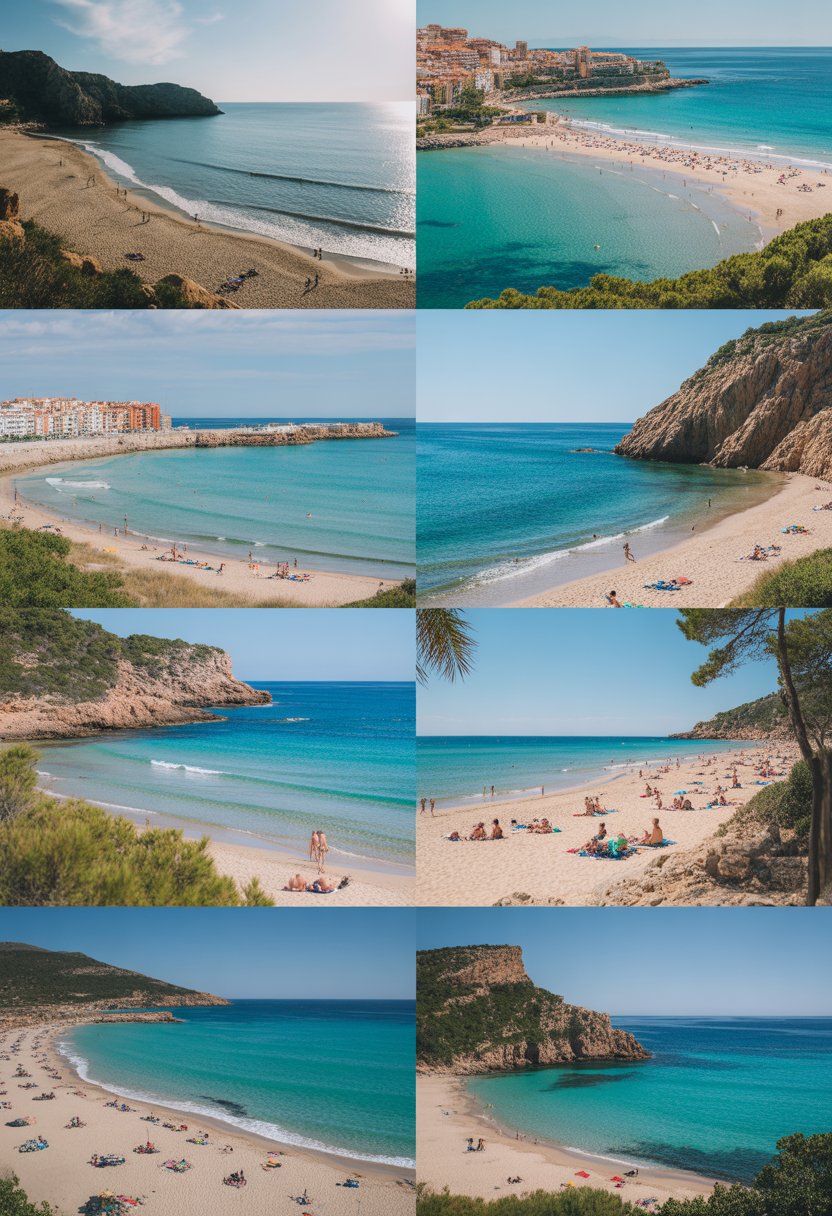
Spain’s beaches offer a range of experiences, from calm family spots to remote coves with breathtaking views. Popular coastlines have both lively city beaches and quiet, scenic escapes suited for photography, swimming, and romantic getaways.
What are the top family-friendly beaches in Spain?
Playa de la Malvarrosa in Valencia is known for its gentle waters and plenty of activities for families. There are also playgrounds, showers, and easy access facilities.
Playa de la Barceloneta in Barcelona is another family favorite due to its wide sandy shore and many food stands. Its close location to the city center makes it convenient for families with children who want a full day by the sea.
Which beaches in Spain are best for couples seeking a romantic setting?
Caló des Moro in Mallorca provides turquoise waters surrounded by steep cliffs. The area is peaceful and a good choice for couples who want privacy.
Playa de Ses Illetes on Formentera is often chosen for its white sand and clear, shallow water. Sunset walks and the natural beauty create a romantic atmosphere for two.
Where can I find the best swimming beaches on the Spanish mainland?
La Concha Beach in San Sebastián has a horseshoe-shaped bay sheltered from strong currents, making swimming both safe and pleasant. The sand is soft, and waves are gentle.
Islas Cíes near Galicia, though requiring a ferry, is praised for its crystal-clear waters and clean conditions, attracting those looking for excellent swimming beaches on the mainland. You can learn more about swimming beaches from this Spain beach guide.
Can you recommend some beaches near Barcelona for a day trip?
Playa de la Barceloneta is directly in the city and is one of the most famous urban beaches in Spain. For a quieter outing, Castelldefels Beach, just a train ride south of Barcelona, offers a wide stretch of sand and generally fewer crowds.
Caldetes, also called Caldes d’Estrac, is another option a short train ride north, with clean water and a more relaxed vibe.
What beaches in Spain offer the most picturesque scenery for photographers?
Cala Salada in Ibiza features clear water framed by pine-covered cliffs, ideal for scenic photos.
La Concha in San Sebastián offers views of the city, mountains, and bay, providing many angles for captivating pictures. Playa de Ses Illetes is praised for its sweeping sandbars and the vivid blues of the Mediterranean.
Could you list the top 10 beaches in Spain that are a must-visit?
- Playa de Ses Illetes, Formentera
- La Concha, San Sebastián
- Caló des Moro, Mallorca
- Playa de la Barceloneta, Barcelona
- Cala Salada, Ibiza
- Playa de Bolonia, Cádiz
- Islas Cíes, Galicia
- Playa de la Malvarrosa, Valencia
- Playa del Silencio, Asturias
- Playa de los Genoveses, Almería
For more information and details on these beaches, see this comprehensive guide to Spain’s best beaches.